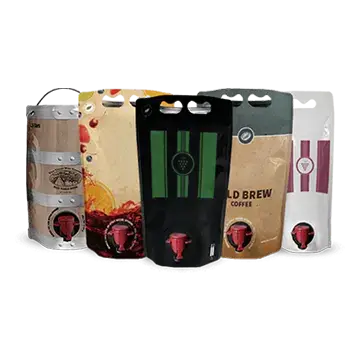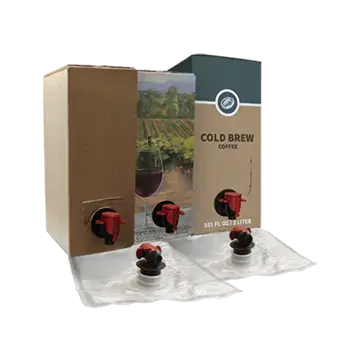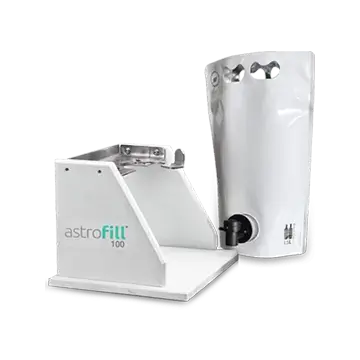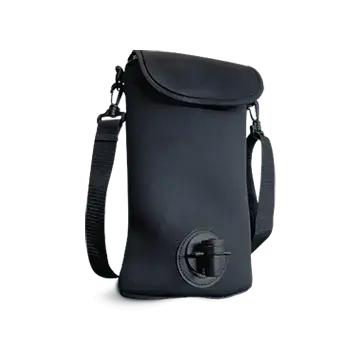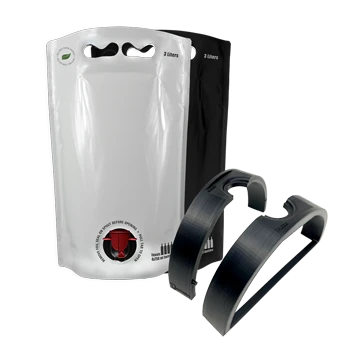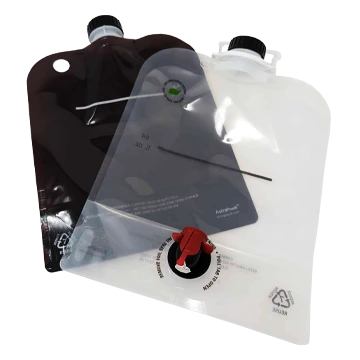


When most brands think about sustainable coffee packaging, they think about materials—switching to compostable films, recycled content, or paper-based structures. But there’s another way to dramatically reduce your environmental footprint that doesn’t require changing what your packaging is made of: change how much of it you’re using, and how efficiently it moves through your supply chain.
Cold brew pouches do exactly that. Compared to glass bottles and traditional rigid packaging, they use significantly less material per unit, take up a fraction of the space in transit, and generate far less waste after use. The sustainability gains are real—and they come with a lower shipping bill attached.
The Problem With Traditional Cold Brew Packaging
Glass bottles are the default for premium cold brew, and it’s easy to see why they look great on a shelf. But from a sustainability standpoint, they’re one of the least efficient formats available.
Glass is heavy, which means every shipment burns more fuel per unit of product. It’s bulky, which means fewer units fit per pallet and per truck. And because empty bottles can’t be collapsed or compressed, you’re paying to ship and store a lot of air. Even before the product is inside, the packaging itself has already generated a substantial carbon footprint just getting to your facility.
Rigid plastic packaging face similar challenges better than glass in some ways, but still constrained by fixed shapes and dead space that add up across a supply chain.
How Cold Brew Pouches Change the Equation
Less Material, Less Waste
Cold brew pouches are made from thin, flexible film a fraction of the material required to produce an equivalent glass bottle. Less material in means less waste out. When a consumer finishes a pouch, what’s left is lightweight and compact, with a much smaller landfill footprint than a glass bottle or rigid plastic container.
Shipping 10 Pouches Where One Bottle Would Go
Here’s the figure that puts the logistics advantage in sharp relief: for every one empty glass bottle, you can ship 10 empty AstraPouch cold brew pouches. That’s not a rounding difference it’s a fundamental shift in how efficiently your packaging moves through the supply chain.
Flat-packed empty pouches take up minimal warehouse space, and cost less to store. Once filled, their flexible structure means they pack more efficiently than rigid containers, putting more product on every pallet and reducing the number of shipments required to reach your customers.
Up to 80% Reduction in Carbon Footprint
When you add up the material savings, the shipping efficiency, and the reduction in dead weight across the entire supply chain, AstraPouch cold brew pouches achieve up to an 80% reduction in carbon footprint compared to glass. That’s a number worth putting in your brand story and one that holds up to scrutiny because it’s rooted in logistics, not marketing claims about materials.
For brands with regional or national distribution, that reduction compounds across every shipment, every retailer, and every season. The more you scale, the more meaningful the number becomes.
Sustainability That Shows Up on Your P&L
One of the underappreciated aspects of sustainable coffee packaging through the pouch format is that the environmental benefits and the financial benefits point in the same direction. Lower shipping weight means lower freight costs. Better packing efficiency means fewer shipments. Less material per unit means lower per-unit production costs.
Brands switching from glass to cold brew pouches routinely see meaningful reductions in their total packaging and logistics spend savings that can be reinvested in product quality, marketing, or margin. Sustainable packaging that also improves your bottom line is a rare thing. It’s worth paying attention to.
Making the Sustainability Story Part of Your Brand
An 80% reduction in carbon footprint is a compelling claim but only if your customers know about it. Cold brew pouches give you the surface area to tell that story directly on the packaging. The entire exterior of an AstraPouch cold brew pouch is printable, which means your sustainability credentials can live right alongside your brand identity, origin story, and product information.
For brands targeting environmentally conscious consumers which is an increasingly large share of the specialty coffee market—this kind of on-pack transparency builds trust and drives purchase decisions. It turns a supply chain improvement into a brand asset.
If you’re ready to explore what sustainable coffee packaging looks like for your cold brew brand specifically, the AstraPouch team can walk you through the numbers for your current format and volume. The efficiency gains are consistent but seeing them calculated against your own supply chain makes the decision straightforward.
Related: Everything You Need to Know About Cold Brew Coffee Pouches for Your Brand