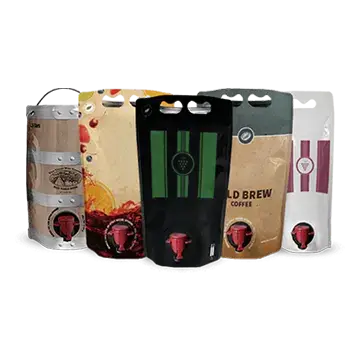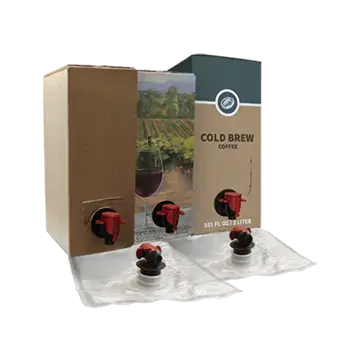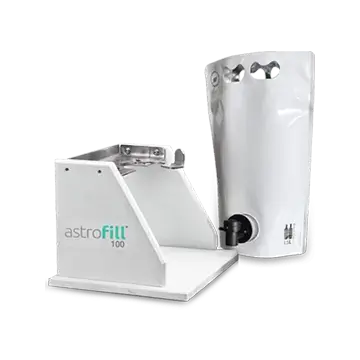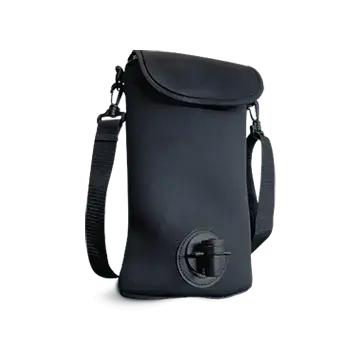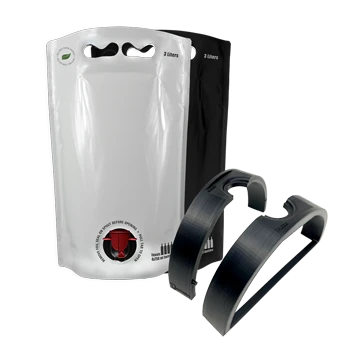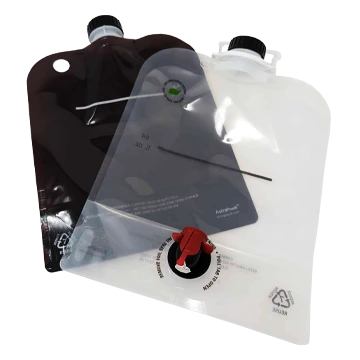



Liquid pouch packaging is fundamentally changing how brands think about packaging. What was once considered an alternative format is quickly becoming a preferred solution across industries—from beverages and personal care to household products.
This shift is being driven by a combination of pressures and opportunities. Brands are being asked to reduce their environmental impact while also managing rising production and shipping costs. At the same time, consumers expect packaging to be more convenient, portable, and intuitive to use. Liquid pouch packaging sits at the intersection of all of these demands, offering a format that is both efficient and adaptable.
As a result, many companies are no longer asking whether pouches can replace bottles, but where they can create the most value.
Quick Answers: Why Brands Are Switching to Liquid Pouch Packaging
If you’re comparing liquid pouch packaging to traditional bottles, here are the key advantages:
- Less material, lower environmental impact
Flexible pouches use significantly less raw material, reducing waste and carbon emissions. - Lower shipping and storage costs
Lightweight and compact pouches improve freight efficiency and reduce warehousing needs. Lower costs in general, You can 30% in the cost of your packaging just by switching to pouches over glass - Better consumer experience
Features like spouts, resealable closures, and flexible formats make pouches easier to use. - Strong product protection
Advanced film structures provide excellent barriers against oxygen, moisture, and light. - More impactful branding
Flexible formats allow for bold designs, unique shapes, and high-impact shelf presence. - Right-sized, efficient packaging
Improved product-to-package ratios and refill formats reduce overall packaging waste.
The Shift Toward Liquid Pouch Packaging
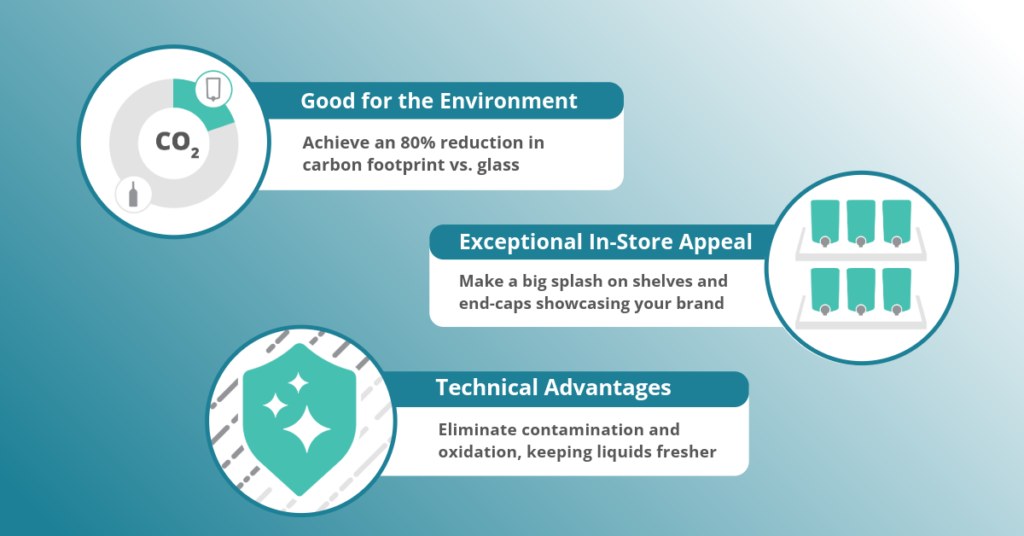
At its core, the advantage of liquid pouch packaging comes down to efficiency—using fewer resources to deliver equal or better performance.
Unlike rigid bottles, pouches are made from flexible, multi-layer films that are engineered to protect the product while minimizing material use. This allows brands to significantly reduce packaging weight and waste without compromising shelf life or durability. The impact of this efficiency extends well beyond production. Because pouches are lighter and take up less space, they are far less expensive to ship and store, making them especially appealing in today’s cost-sensitive supply chain environment.
There is also a clear advantage from a user experience standpoint. Features like spouts, resealable closures, and easy-pour fitments make pouches more practical for everyday use. Whether a consumer is carrying a beverage on the go or refilling a household product, the format feels intuitive and modern in a way that traditional bottles often do not.
At the same time, pouches offer brands more creative freedom. With fewer structural limitations, packaging can be designed in ways that stand out visually and functionally—something that is increasingly important in crowded retail environments.
Understanding the Differences Between Pouches and Bottles
While both pouches and bottles serve the same fundamental purpose, their differences in structure lead to very different outcomes for brands.
Traditional bottles rely on rigid materials like plastic or glass, which provide strength but limit flexibility. They maintain their shape at all times, which means they take up the same amount of space whether they are full or empty. This rigidity also constrains design options, often resulting in standardized formats that can be difficult to differentiate on the shelf.
Liquid pouch packaging, on the other hand, is inherently flexible. It can conform to the product inside, collapse as it is used, and be customized in terms of size, shape, and functionality. This adaptability makes it suitable for a wide range of liquid applications, from beverages to cleaning products, while also opening the door to more innovative packaging strategies.
These structural differences are what enable many of the downstream benefits that pouches provide, particularly in sustainability, logistics, and branding.
When Bottles Still Make Sense
Despite the many advantages of liquid pouch packaging, bottles still have a place in certain applications.
Products that rely on rigid structure, premium glass presentation, or existing bottling infrastructure may continue to benefit from traditional formats. In some cases, brands are finding success with hybrid approaches, such as pairing durable bottles with refill pouches to reduce overall material usage.
Logistical considerations are also part of the equation. Manufacturing processes must adapt to accommodate flexible packaging. This might mean investing in new machinery or altering production lines. Packaging companies must navigate these challenges thoughtfully and understand how each format will fit their needs in order to make the right packaging decision.
Environmental Impact: Why Pouches Have the Edge
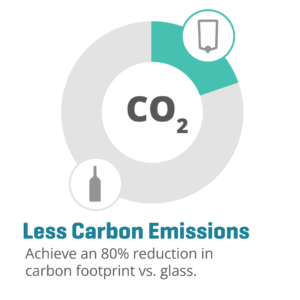
Sustainability has become one of the most important considerations in packaging, and this is where liquid pouch packaging consistently stands out.
Because pouches require significantly less material than bottles, they reduce the environmental footprint from the very beginning of the production process. Less raw material means less energy is required to manufacture each unit, which in turn lowers overall emissions. This advantage continues throughout the supply chain, as lighter packaging reduces the fuel needed for transportation.
There is also growing innovation in the materials themselves. Many liquid packaging companies are now developing recyclable, compostable, or reduced-plastic pouch structures that further improve sustainability outcomes. While recycling flexible materials has historically been a challenge, ongoing advancements are quickly closing that gap.
Traditional bottles, particularly those made from plastic, continue to face scrutiny due to recycling inefficiencies and material waste. Even glass, while recyclable, requires significant energy to produce and transport due to its weight.
For brands prioritizing sustainability, the shift toward pouches represents a meaningful step forward.
Cost Efficiency and Logistics Advantages
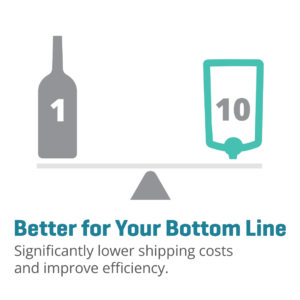
Beyond environmental benefits, liquid pouch packaging offers clear financial advantages that are difficult for bottles to match.
The most immediate savings come from reduced material usage. With less raw material required per unit, production costs naturally decrease. But the more significant impact often comes from logistics. Because pouches are lightweight and compact, they allow companies to ship more product using fewer resources. This can dramatically reduce freight costs, especially at scale.
Storage is another area where pouches create efficiency. Their flexible design allows for better space utilization in warehouses, and unfilled pouches can be stored flat, further minimizing storage requirements. For manufacturers and co-packers, this added efficiency can translate into meaningful operational savings.
Taken together, these advantages make pouches an attractive option for companies looking to improve margins without sacrificing quality.
Read More: Beverage Packaging Solutions That Can Save You Money →
Consumer Convenience Is Driving Adoption
The rise of liquid pouch packaging is closely tied to changing consumer expectations. Today’s buyers are looking for products that fit seamlessly into their daily lives, and packaging plays a major role in that experience.
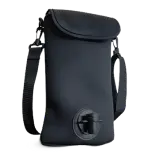
Pouches are designed with usability in mind. Resealable closures help maintain freshness, while spouts and fitments allow for controlled pouring with minimal mess. Their lightweight nature also makes them easy to carry, whether in a bag, a car, or on the go.
This combination of convenience and functionality is especially important in categories like beverages and personal care, where portability and ease of use can influence purchasing decisions. Compared to rigid bottles, which can feel bulky or restrictive, pouches offer a more flexible and user-friendly alternative.
Innovation Is Accelerating the Shift to Pouches
The growth of liquid pouch packaging is not just a result of existing benefits—it is being fueled by continuous innovation.
Advancements in film technology have significantly improved barrier protection, allowing pouches to preserve product quality for longer periods. At the same time, new material developments are making it possible to create more sustainable packaging without sacrificing performance.
There is also increasing interest in smart packaging features. Brands are beginning to integrate elements like QR codes and interactive components that connect physical packaging to digital experiences. These innovations turn packaging into more than just a container—they make it a touchpoint for engagement.
As these technologies continue to evolve, the gap between pouches and traditional bottles will only widen.
Branding and Design Flexibility
In a competitive retail environment, packaging is one of the most powerful tools a brand has—and this is another area where pouches excel.
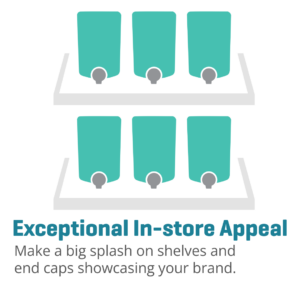
Unlike bottles, which are often constrained by standardized shapes, pouches offer far greater design flexibility. Brands can experiment with unique formats, bold graphics, and larger printable surfaces that capture attention and communicate value more effectively.
This flexibility allows packaging to play a more active role in marketing, helping products stand out on crowded shelves and reinforcing brand identity at the point of purchase.
Market Trends and Industry Adoption
Liquid pouch packaging is no longer limited to niche applications. It is being adopted across a wide range of industries, from beverages and household goods to personal care products.
This growth is being driven by a combination of economic and environmental factors. Rising transportation costs are pushing companies to look for lighter, more efficient packaging solutions, while increased consumer awareness is accelerating the demand for sustainable options.
As a result, many flexible packaging providers are expanding their capabilities to support pouch formats. This has made it easier for brands to transition, whether they are launching new products or rethinking existing packaging strategies.
Choosing the Right Liquid Packaging Company
For brands considering the shift to liquid pouch packaging, selecting the right partner is a critical step.
If your goal is to find dependable liquid packaging companies (whether you need pouch materials, converting, filling, or turnkey packaging), use a qualification checklist. Reliable partners will be transparent about capabilities, quality systems, and testing.
- Product fit: Experience with your category (beverages, sauces, concentrates, household, personal care) and your process (hot-fill, aseptic, retort, cold-fill).
- Film & barrier expertise: Ability to recommend structures for oxygen/moisture/light barriers, puncture resistance, and chemical compatibility.
- Fitments and dispensing: Options for spouts, caps, and closures that match viscosity and user needs.
- Quality certifications: Documented GMPs and relevant third-party certifications (often requested by retailers and brands).
- Testing & validation: Leak testing, burst/drop testing, shelf-life support, and compatibility checks.
- Lead times and scale: Clear MOQs, capacity planning, and the ability to scale from pilot to production.
- References and samples: Case studies, product samples, and customer references in similar applications.
A strong packaging partner will not only provide materials, but also guide decisions around film structure, barrier requirements, and dispensing features. This is especially important for liquid products, where factors like viscosity, shelf life, and compatibility all play a role in packaging performance.
Companies that are early in the process may benefit from starting with prototype packaging to test different formats and validate their approach before moving to full-scale production. Working with experienced stand-up pouch suppliers can help streamline this process and reduce risk.
For brands moving from bottles to pouches, partners like AstraPouch can help you evaluate pouch formats, select the right film structure, and align packaging choices with your sustainability and cost goals.
The Future of Liquid Packaging
Looking ahead, the momentum behind liquid pouch packaging is brimming with promise and innovation, especially around three key trends:
- Greater sustainability through improved materials and recyclability
- Smarter packaging with integrated technology and data capabilities
- Increased customization to meet niche consumer preferences
As brands look for ways to reduce costs, improve user experience, and meet environmental goals, pouches offer a solution that addresses all three. What was once considered an alternative is quickly becoming a new standard.
Conclusion: A Smarter Approach to Liquid Packaging
Liquid pouch packaging represents a shift toward smarter, more efficient packaging. It reduces material use, lowers costs, improves convenience, and opens new possibilities for branding and innovation.
For companies willing to rethink traditional formats, it offers a clear opportunity to create better products and more sustainable systems. And as adoption continues to grow, it is becoming less of a competitive advantage—and more of an expectation.