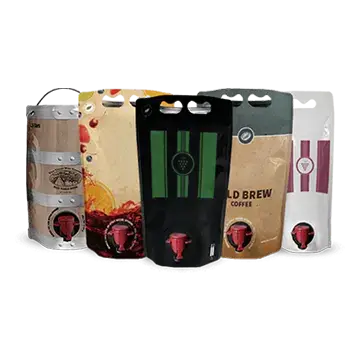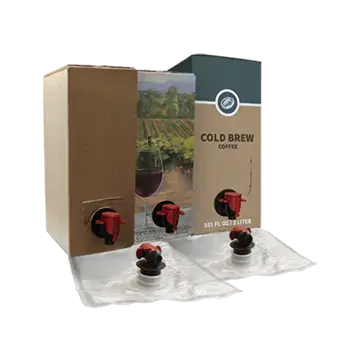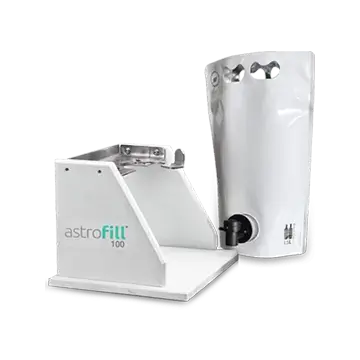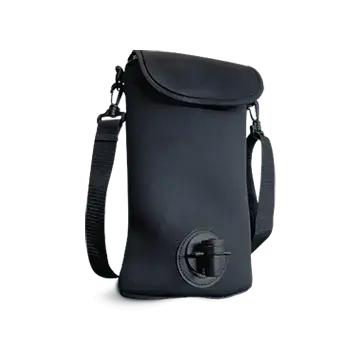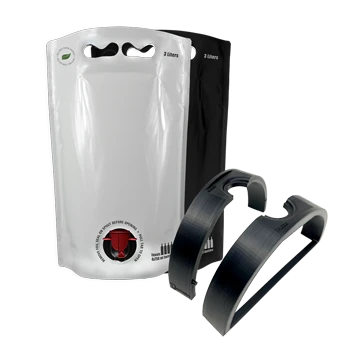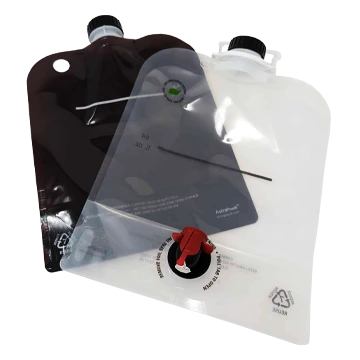


When brands think about prototype packaging, they usually think about compromise, settling for a generic container just to get something in hand, or overspending on a small run to make it look market-ready. But there’s a format built for exactly this stage, without either tradeoff.
Compared to rigid bottles and jars, stand-up pouches require far lower minimum order quantities, move through production faster, and give early-stage brands the same branding and design flexibility they’d have at a full scale run, just at prototype volume. It’s the same efficiency case we lay out in Why Liquid Pouch Packaging Beats Traditional Bottles, just applied to the earliest, most cost-sensitive stage of a product’s life.
Rigid Packaging Wasn’t Built for the Prototype Stage
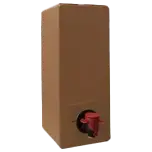
Rigid bottles, jars, and cartons depend on expensive mold tooling, which means every size, shape, or design change comes with added cost and weeks of lead time. Minimum order quantities are also typically high, built around the economics of full-scale production rather than a small test run.
That combination creates real risk for a brand that’s still validating its product. If a formula changes, a label needs revising, or an early market test falls flat, you’re left holding inventory you can’t use, which is an expensive lesson before you’ve even confirmed there’s demand. For a company that hasn’t proven demand yet, that kind of sunk cost can be hard to recover from.
What Stand-Up Pouches Offer During Prototyping
Lower Minimum Order Quantities: Stand-up pouches don’t rely on the same tooling process as rigid packaging, so suppliers can accommodate much smaller runs. That means you can order exactly what a sample batch, trade show, or limited retail test requires and nothing more.
Faster Turnaround: Because there’s no mold to create or modify, design changes and reorders move in days or weeks instead of months. If early feedback tells you to tweak the label or resize the pouch, you can iterate quickly instead of waiting on retooling.
Full Branding and Design Flexibility: Full-surface digital printing means a stand-up pouch prototype can carry the same vibrant, high-resolution branding as a finished retail product. Because digital printing doesn’t require plates, you can test multiple design variations within the same small run exactly the kind of insight you need before locking in a final look.
A Prototype That Performs Like the Real Thing
The biggest advantage may be the most practical one: because pouches can be produced with the same materials, finishes, and features you’d use in production, your prototype isn’t a rough mockup; it’s an accurate preview of what buyers, investors, and consumers will actually see on shelf. That makes the feedback you collect at this stage far more reliable, and it means the packaging that impresses a retailer in a pitch meeting is the same packaging that ships once you scale.
That consistency matters most in the moments where packaging does the most work: a buyer meeting, a crowdfunding page, a shelf test. A prototype that looks and feels finished builds trust faster than one that reads as a placeholder.
Choosing a Stand-Up Pouch Supplier You Can Grow With
Not every packaging manufacturer is built to support this stage well. The right stand-up pouch supplier should offer low minimum order quantities, fast digital printing turnaround, and a clear path to scale the same design into full production once your prototype proves out so you’re not switching formats or partners mid-launch.
If you’re preparing to test, pitch, or launch a new product, the AstraPouch team can help you evaluate stand-up pouch options and put together prototype packaging that looks and performs like the real thing, from the very first sample. Seeing the format, cost, and timeline mapped against your own product is the easiest way to know if a stand-up pouch is the right next step.
[Related content:] Beverage Packaging Solutions That Can Save You Money →